
Segment 1 — Passenger Vehicles
Passenger Cars: Inline 4- and 6-Cylinder Engines, VR6, V6
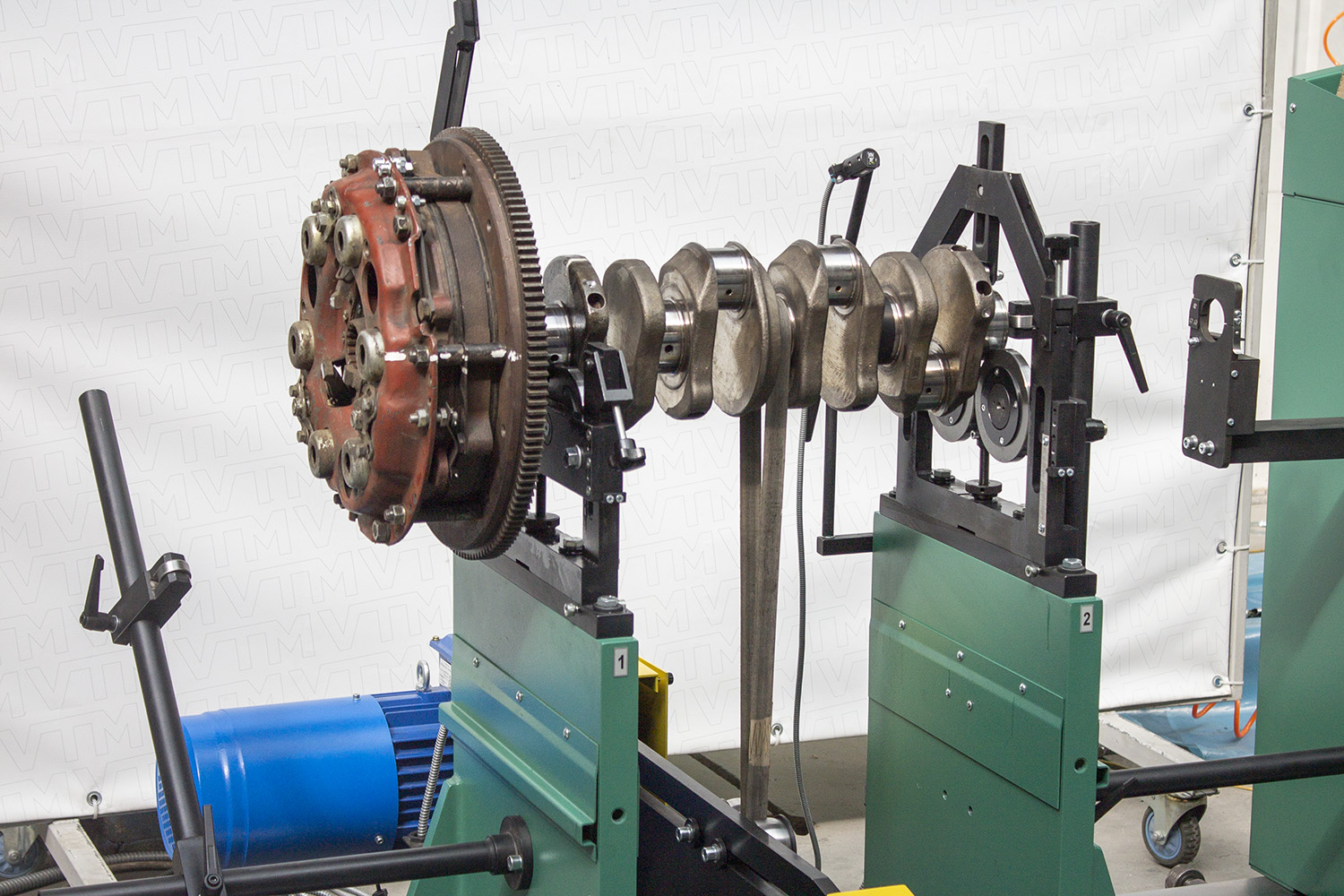
The 9A714 is designed for balancing crankshafts in passenger cars and light commercial vehicles. It supports the most common engine configurations on the European market.
Inline 4- and 6-Cylinder Engines
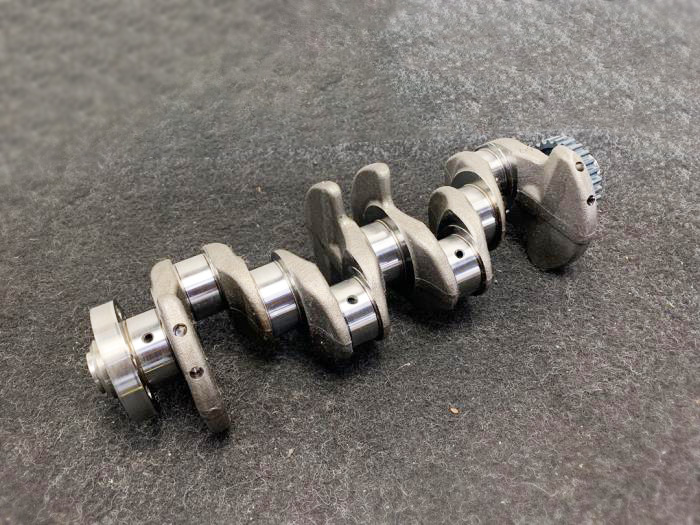
The most widespread configuration in the European passenger car market. These crankshafts do not require bobweights during balancing: each rod journal has a symmetrical counterweight positioned at 180°. Balancing is carried out using the standard metal removal method.
Examples: VW Golf TDI, Audi A3, BMW 318i / 330i, Renault Mégane, Peugeot 308, Ford Focus, Opel Astra
V-Configuration and Narrow-Angle Engines (VR6, V6)
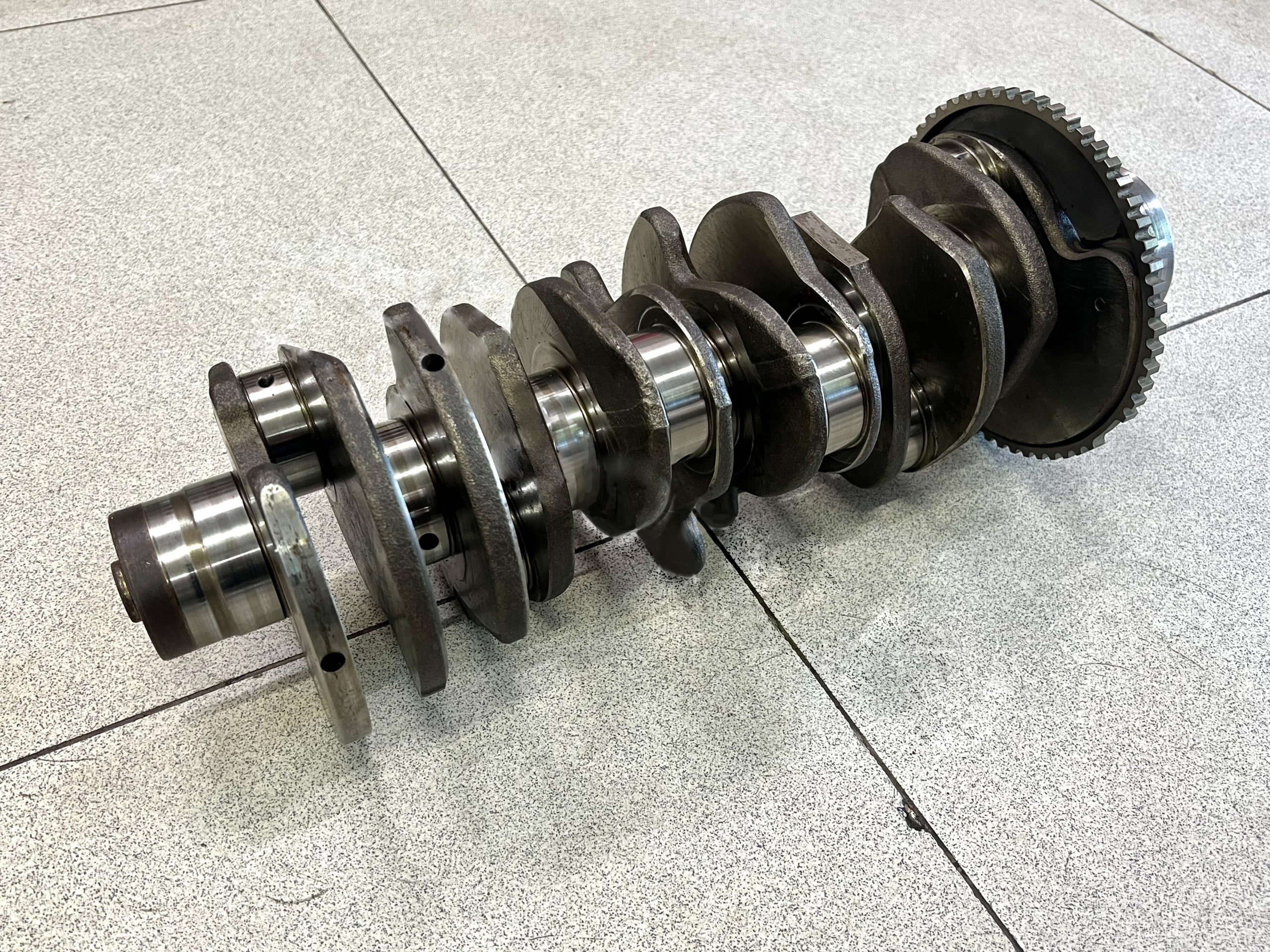
VR6 Volkswagen/Audi, V6 Alfa Romeo, V6 Renault and equivalents require the installation of bobweights on the rod journals during balancing. Bobweights simulate the combined dynamic effect of rotating and reciprocating masses. Their weight is calculated individually for each engine based on the actual mass of connecting rods and pistons. Any change to piston or rod weight during the overhaul requires re-balancing.
Examples: VW Passat VR6, VW Golf IV VR6, Audi A6 2.8, Alfa Romeo 156 V6, Renault Laguna V6, Ford Mondeo ST220 3.0 V6
bare crankshaft
crankshaft + flywheel (5–10 kg) + harmonic damper (1–3 kg)
Segment 2 — Light Commercial Vehicles & SUVs
Vans, SUVs, V8: Inline 6-Cylinder Diesels and V-Configuration Engines
The 9D715 is designed for heavier crankshafts found in commercial vehicles, minivans, large SUVs, and high-performance passenger cars with V8 engines.
Inline 6-Cylinder Diesel Engines
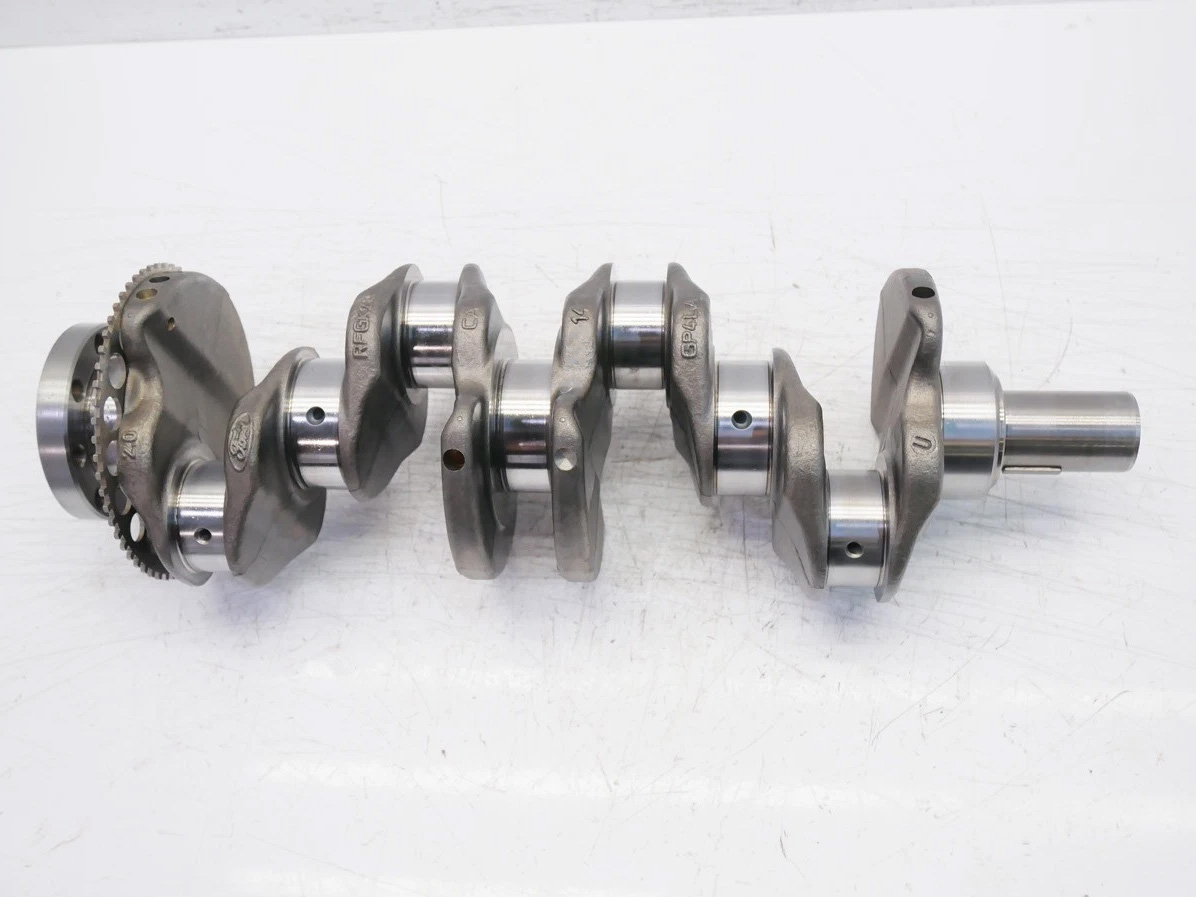
The dominant configuration in European light commercial vehicles. Balancing is performed without bobweights. However, diesel crankshafts are noticeably heavier than petrol equivalents due to higher combustion pressures and thicker journal walls — this directly affects the weight of the final assembly.
Examples: Mercedes-Benz Sprinter OM651 / OM642, VW Transporter TDI, Ford Transit 2.0 EcoBlue, BMW 530d (M57)
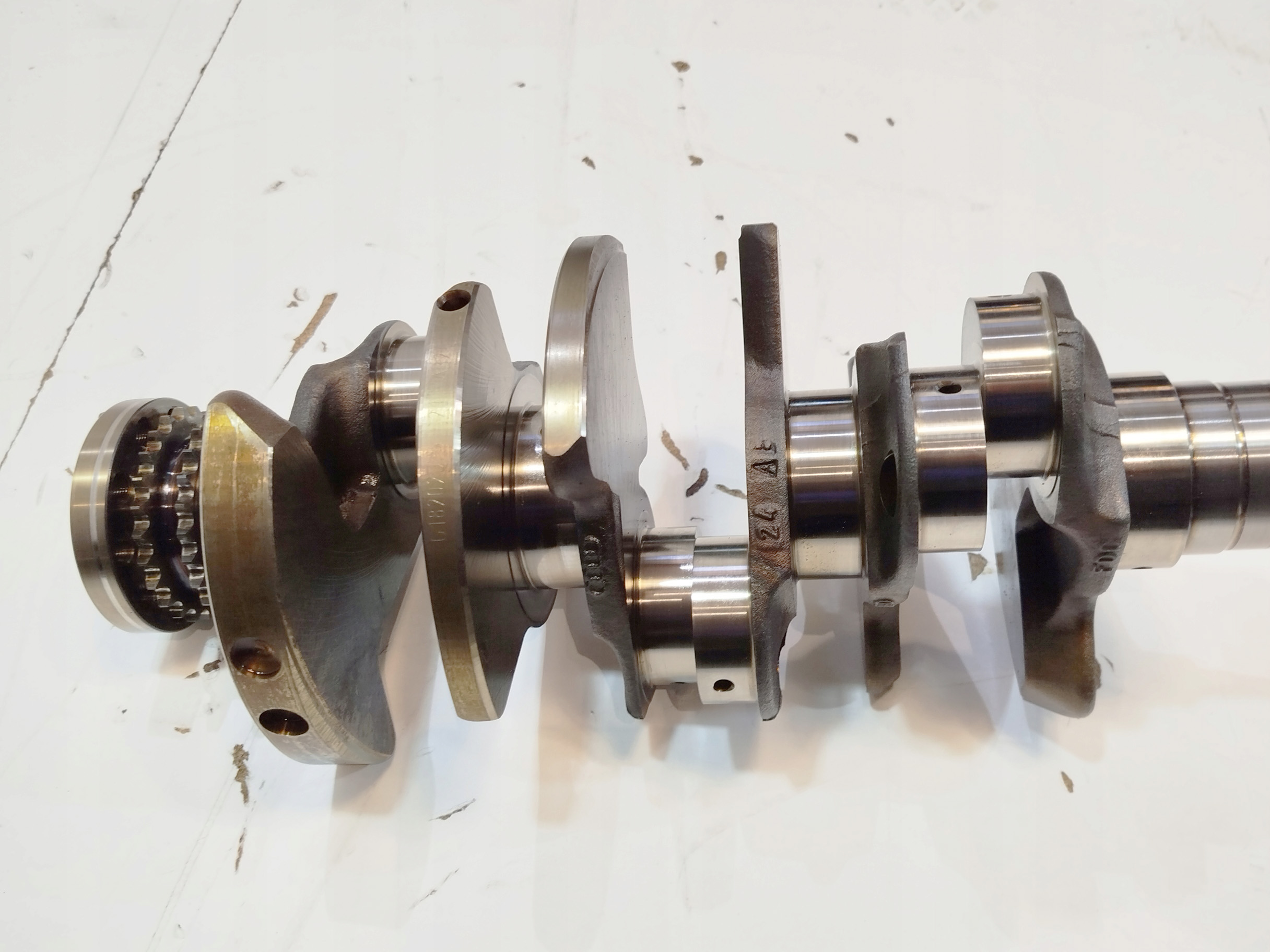
V8 and V6 — Petrol and Diesel Engines
BMW X5 V8, Mercedes-Benz E-Class V8, Audi Q7 V6 TDI, Porsche Cayenne V8, Land Rover TDV8 — all of these engines require the mandatory use of bobweights. The bobweight mass is calculated based on the specific connecting rods and pistons used in that engine. Any change in moving part weights makes re-balancing obligatory.
Examples: BMW X5 4.8i V8, Mercedes E55 AMG V8, Audi Q7 3.0 TDI V6, Porsche Cayenne 4.5 V8, Land Rover Range Rover TDV8
bare crankshaft
crankshaft + flywheel (10–20 kg) + harmonic damper (2–5 kg)
The 9D714 is not suitable for this engine class: the crankshaft + flywheel assembly of a light commercial diesel will easily exceed 50 kg — even without the harmonic damper.
Segment 3 — Heavy Trucks & Commercial Machinery
Trucks, Buses, Special Machinery: Large-Displacement Inline 6 and V8 Diesels
The 9D715US is designed for professional repair shops that specialize in the major overhaul of engines for heavy trucks, buses, and construction equipment.
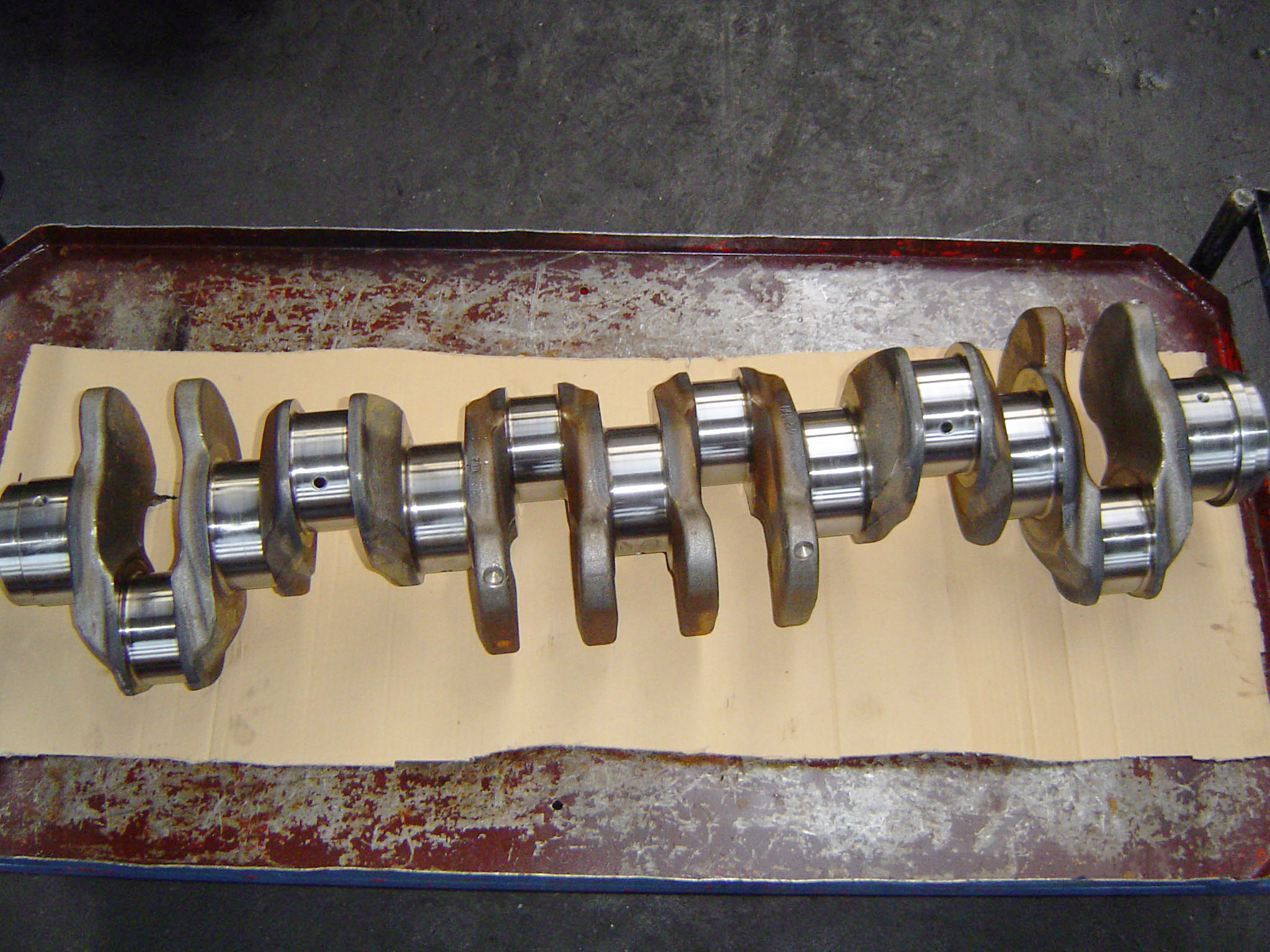
Large-Displacement Inline 6-Cylinder Engines
The defining configuration of European heavy commercial transport. Balancing is performed without bobweights. However, the mass and length of these crankshafts place stringent demands on the load capacity and structural rigidity of the balancing machine — requirements that cannot be met by equipment designed for the light or medium segments.
Examples: Volvo FH D13, Scania R440/G420, MAN D2066, Mercedes-Benz Actros OM473, DAF XF MX-13
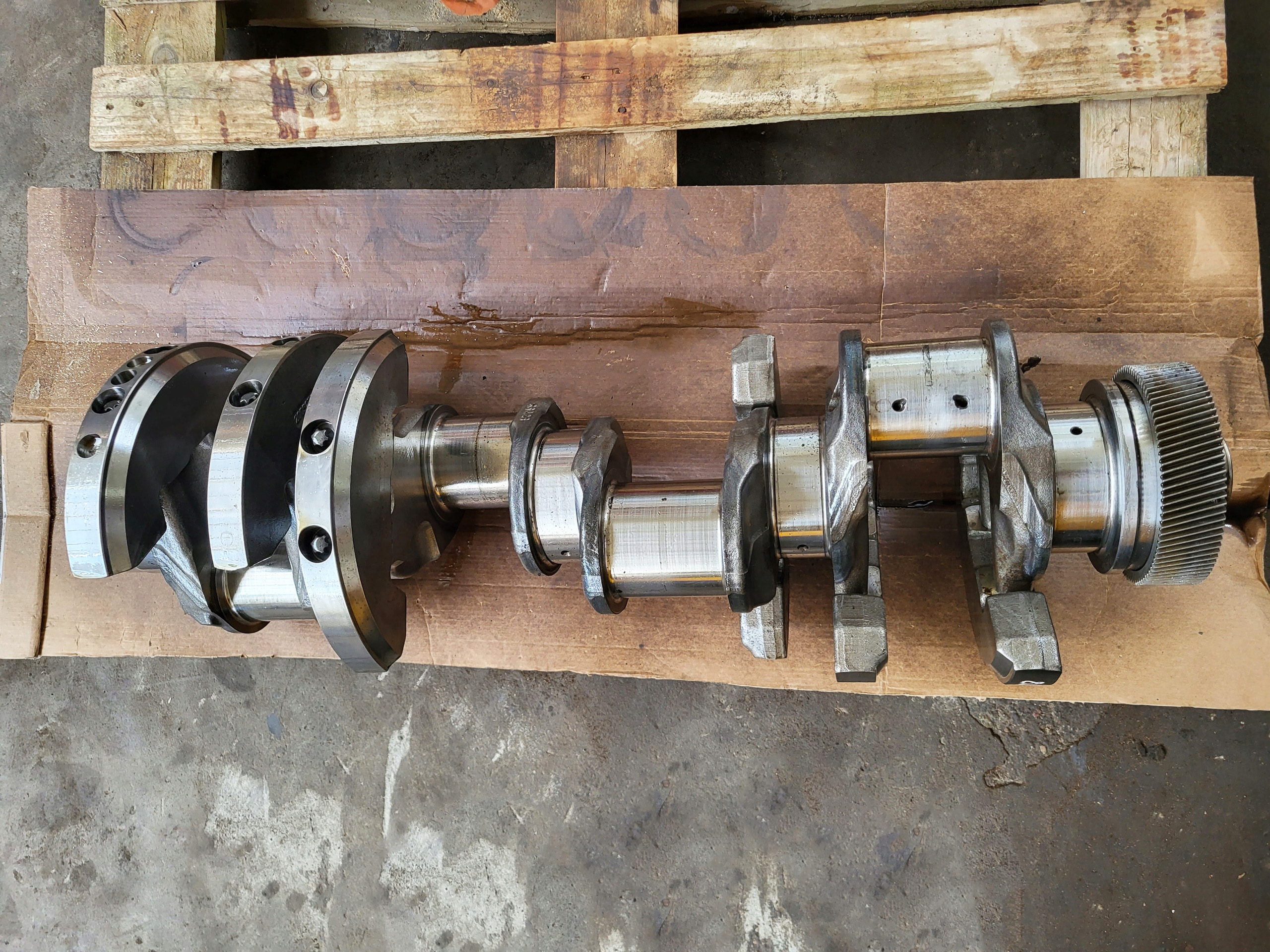
Large-Displacement V8 Diesel Engines
Scania V8, Mercedes-Benz OM502, Volvo D16 are less common but require bobweight calculation and installation. The compensating mass is considerably larger than in the light and medium segments. Imbalance in crankshafts of this class critically affects the service life of main bearings and generates excessive bending loads under high operating conditions.
Examples: Scania R500/R730, Mercedes-Benz Actros OM502, Volvo D16G
bare crankshaft
crankshaft + flywheel (40–80 kg) + harmonic damper (5–15 kg)
Only the 9D715US provides the load capacity required for a correct final balance of the full assembly in this engine class.
Why Is Balancing Always Done as an Assembly?
The final balancing step always includes the flywheel and harmonic damper. First, the bare crankshaft is balanced independently. Then the flywheel is balanced independently. Finally, the complete assembly is verified as a unit. This approach means the flywheel can be replaced in the future without requiring the crankshaft to be removed from the engine.
This is precisely why selecting a balancing machine must be based on the total assembly weight — not just the weight of the bare crankshaft.